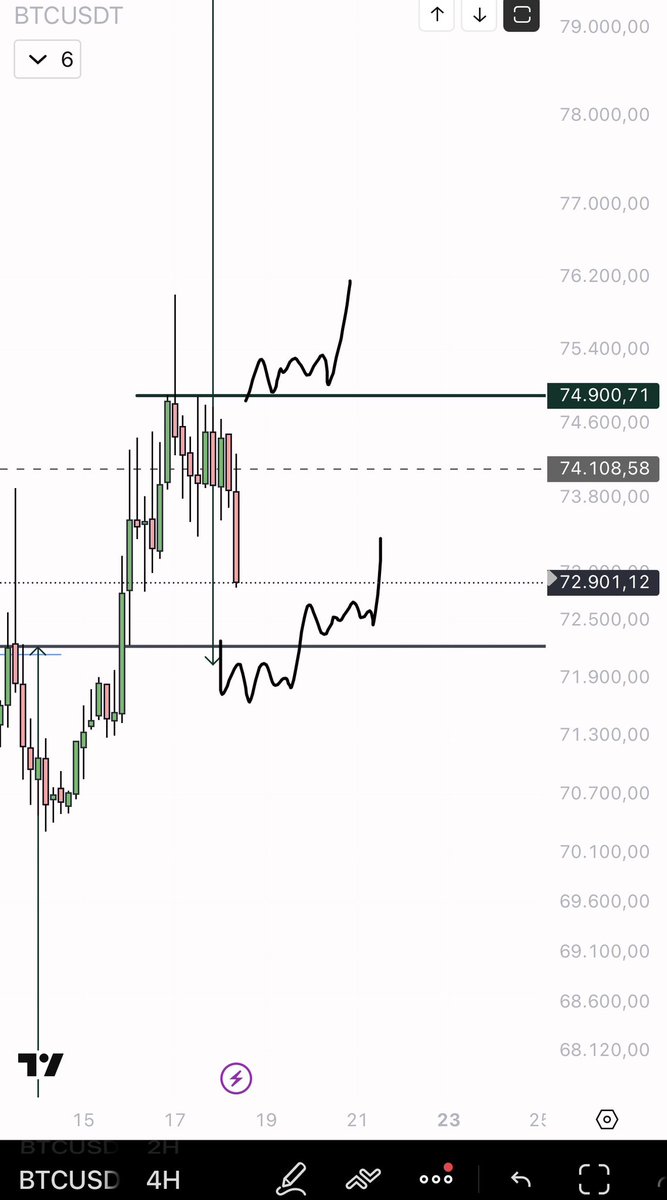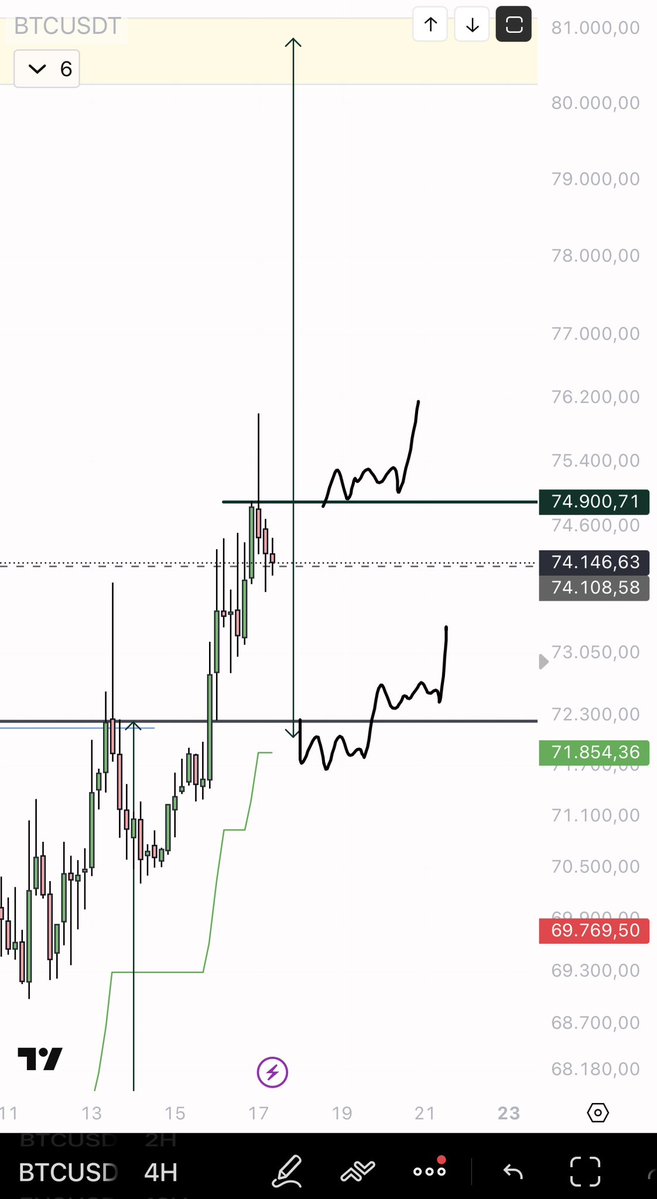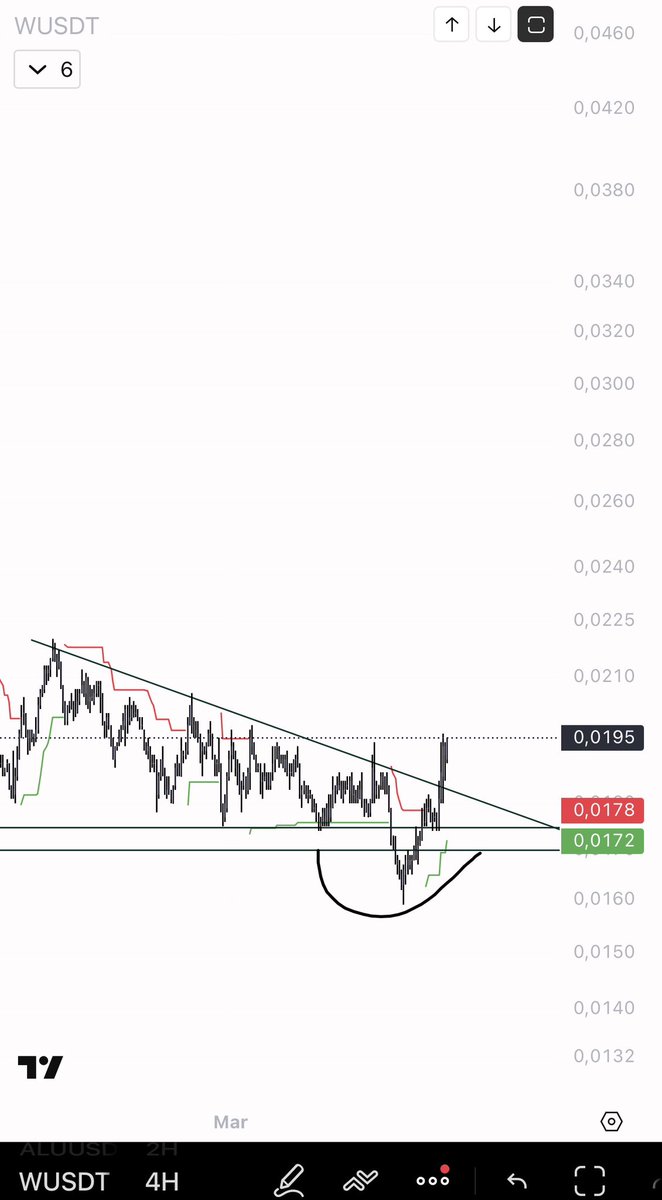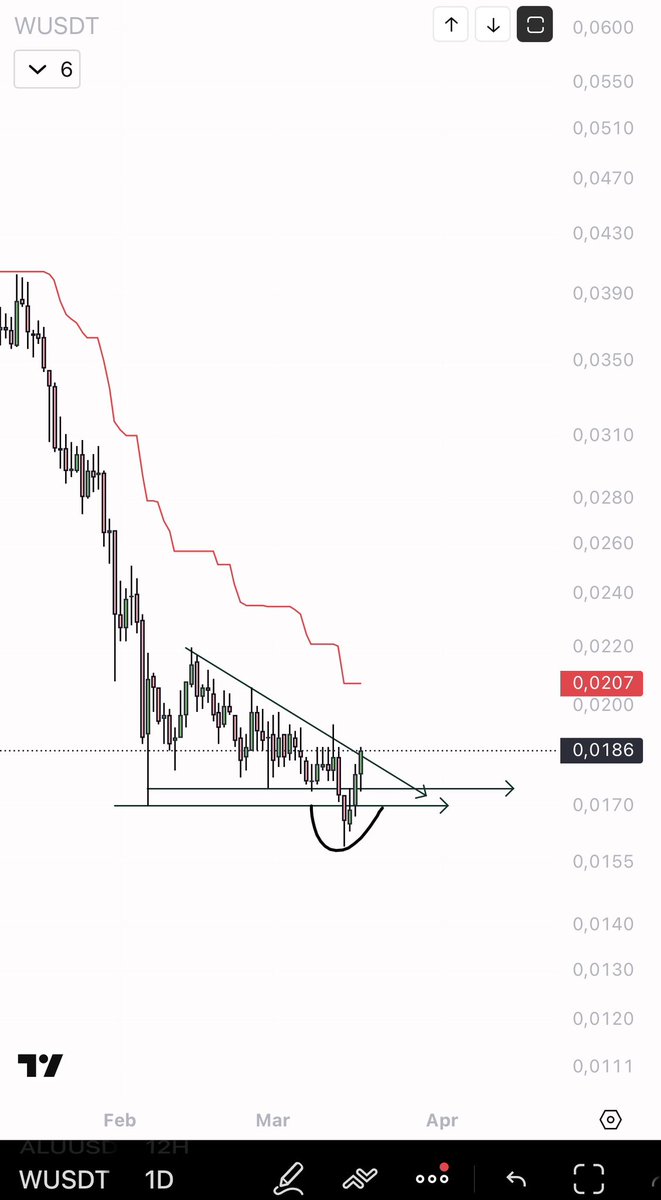


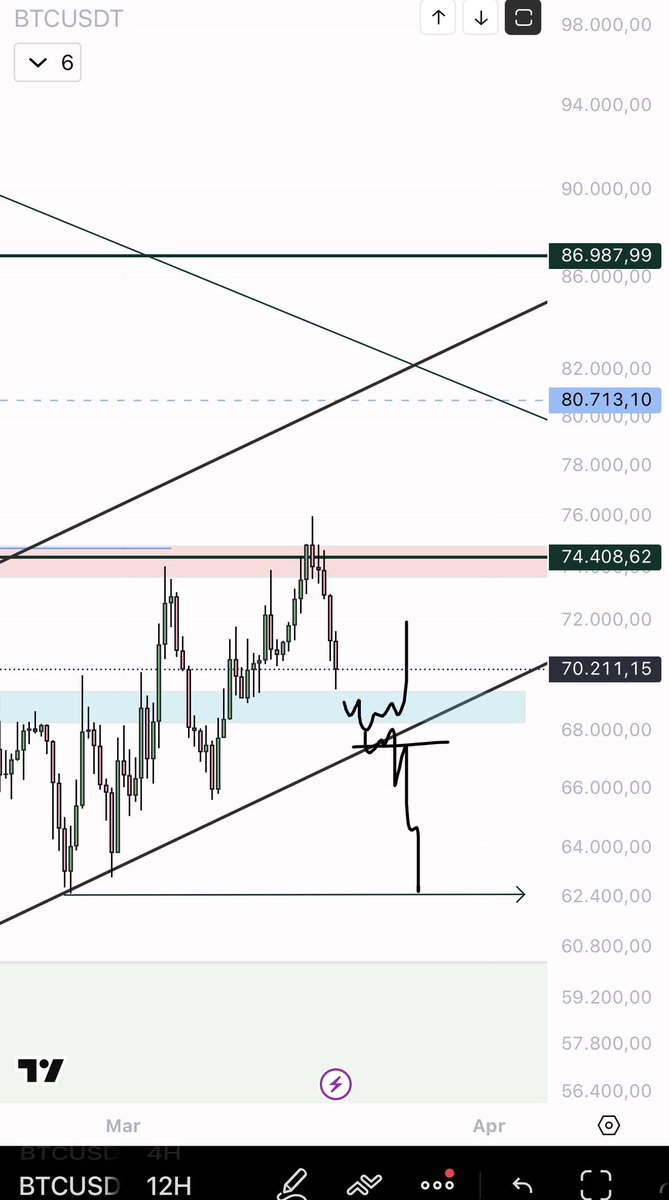
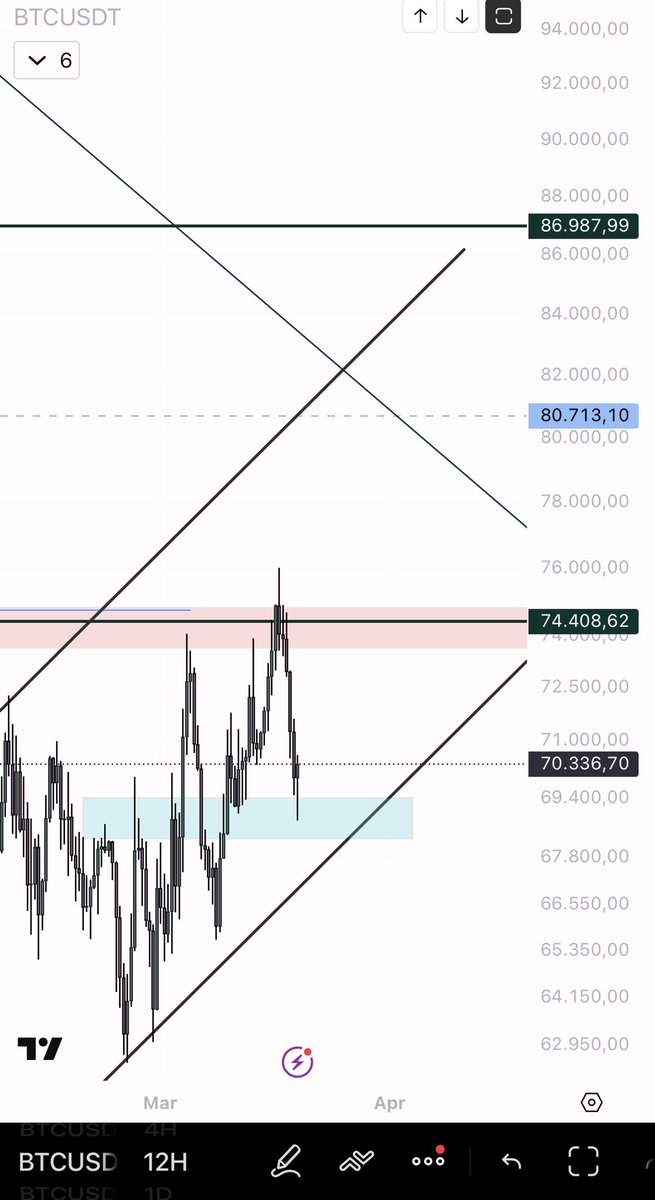
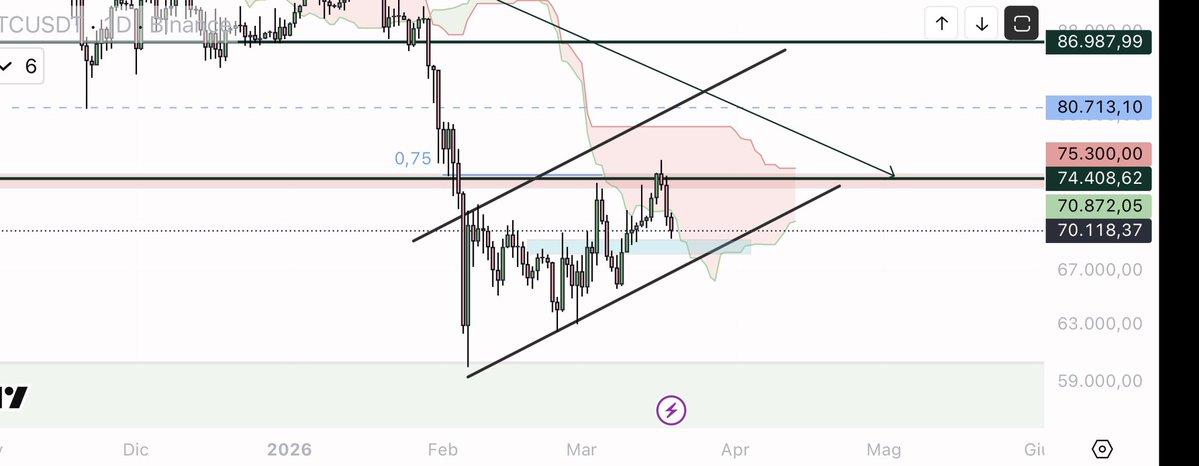
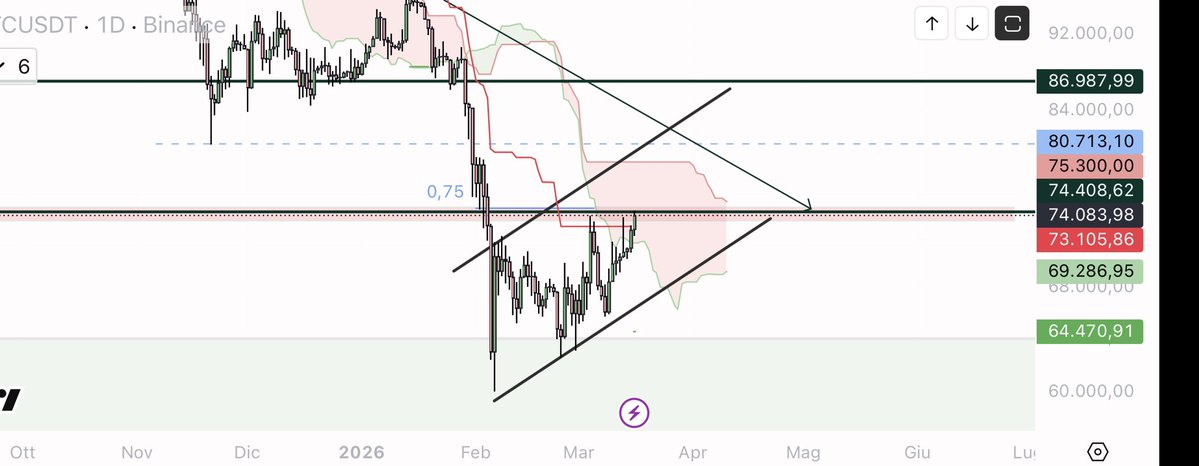
for $BTC In the short term, I don’t see any weaknesses that could trigger a sharp sell-off, so I believe prices could rise further ( If we fall below 65k, we’ll see significant weakness even in the short term )provided Trump and his team don’t mess things up; on the macroeconomic front, the technical picture for $BTC remains very weak, and unless we see structural changes on the weekly chart, this will remain the case


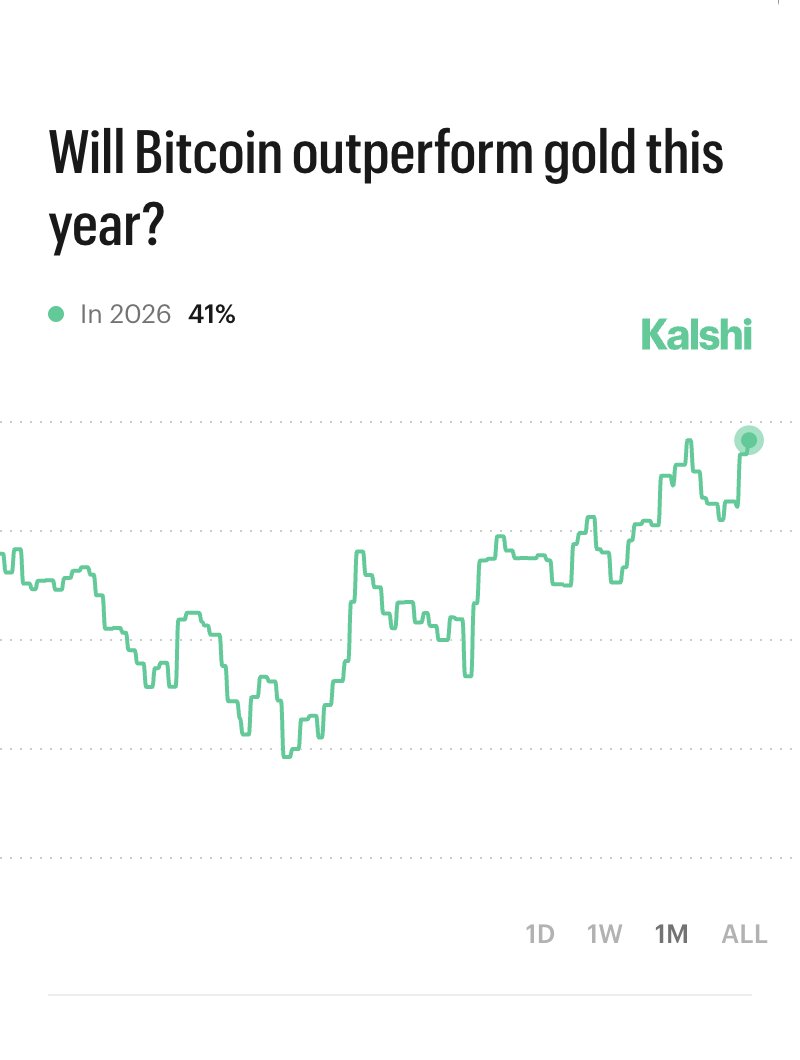
The truth is simple: everyone feels the need to have open positions. It’s almost an addiction. There’s no point in denying it.
But stop for a moment and really think about it: the more trades you open, the more you increase the noise, the stress and, above all, the likelihood of making a mistake. In the long run, this approach destroys your performance.
Opening 50 or 100 positions isn’t being active, it’s being disorganised. It’s impulsive trading, not strategic.
Real traders do the opposite:
fewer trades, but better selected ones.
Precise entries, controlled risk, and above all, patience.
It’s not how many trades you make that makes you profitable…
it’s the quality of the decisions you make.
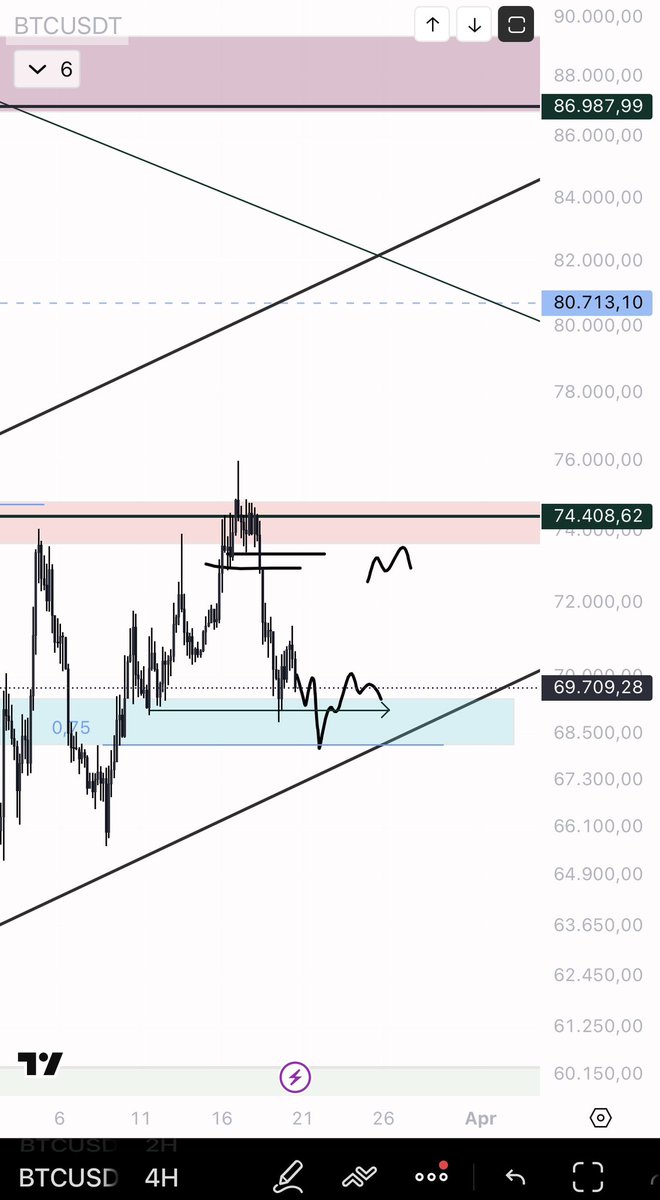
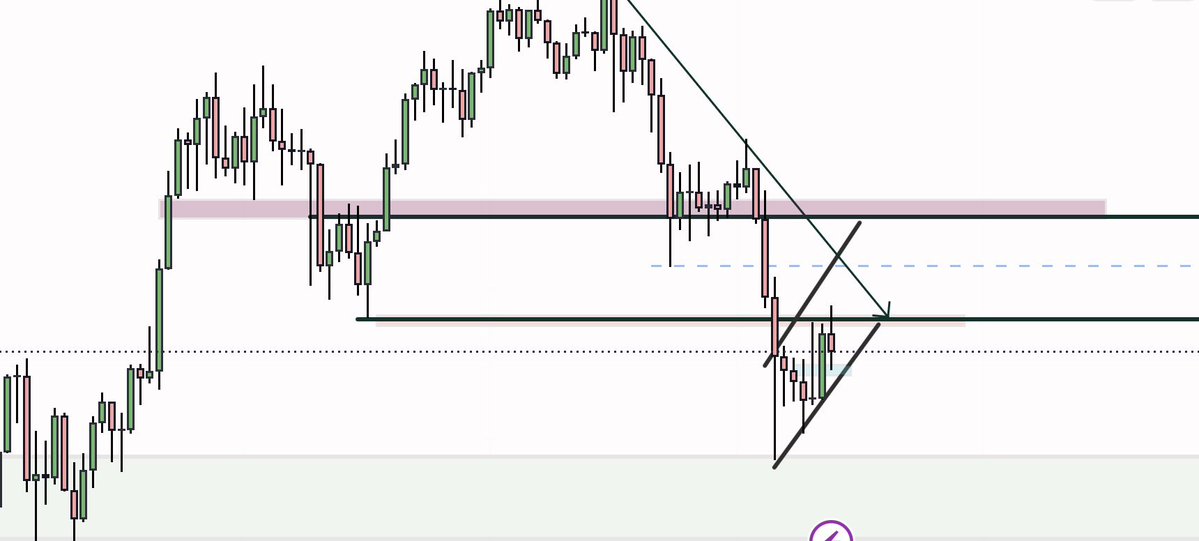
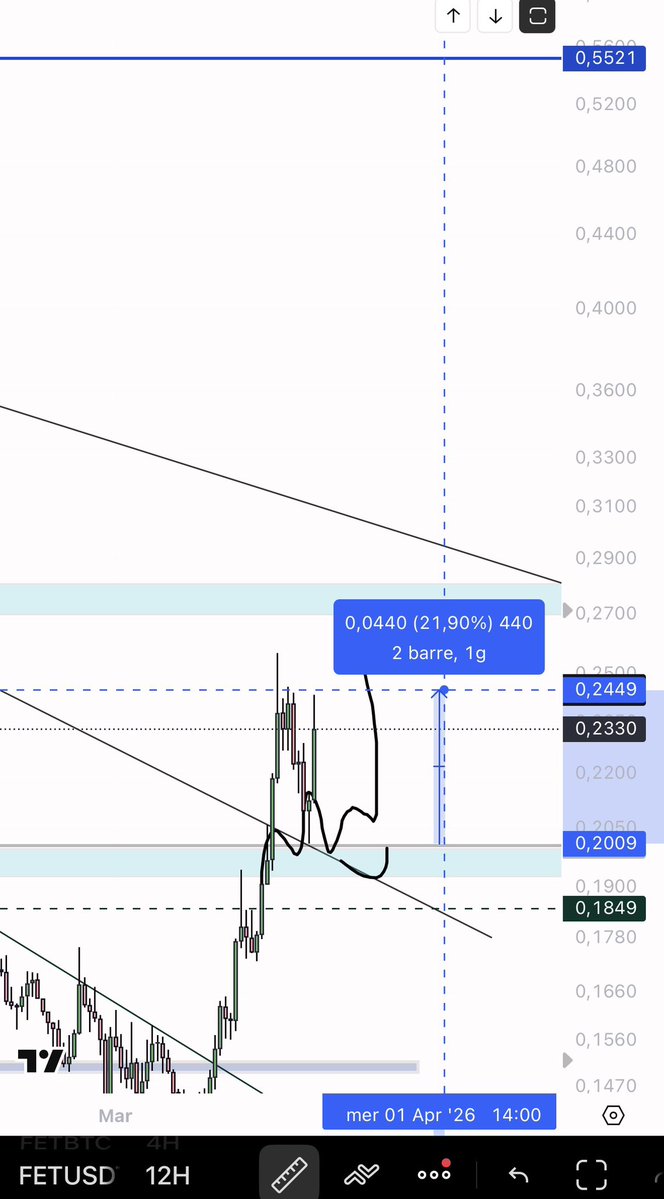

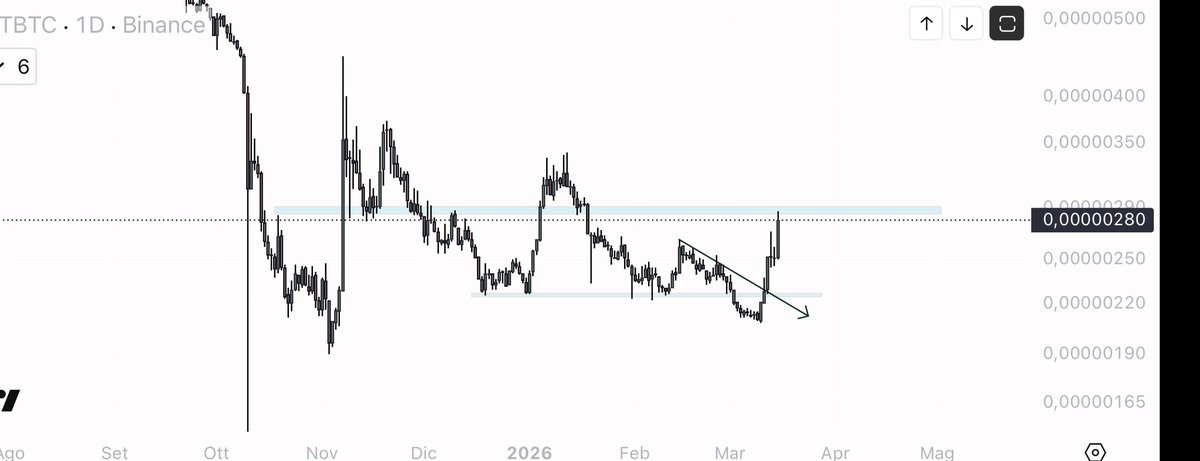
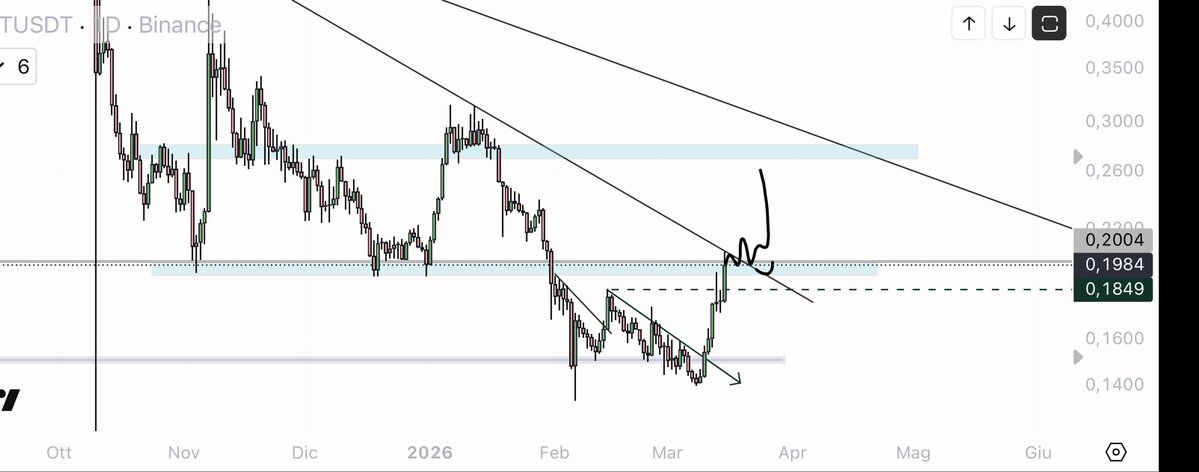
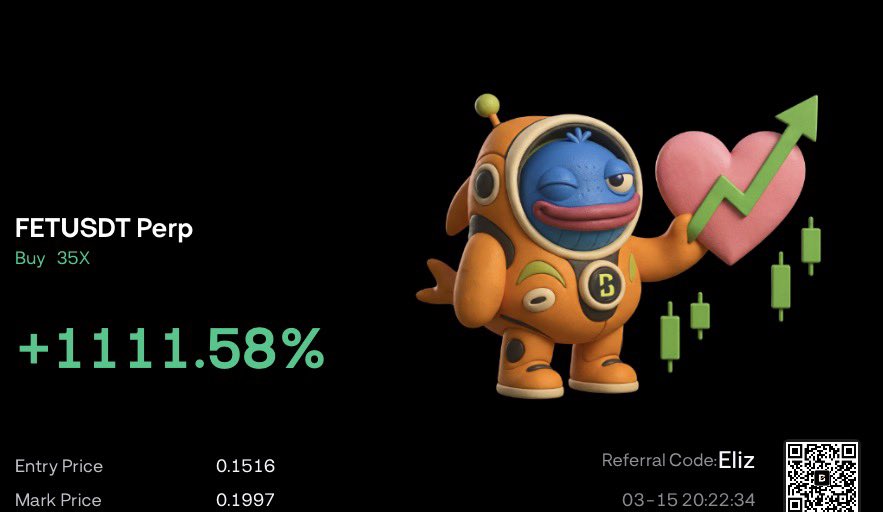
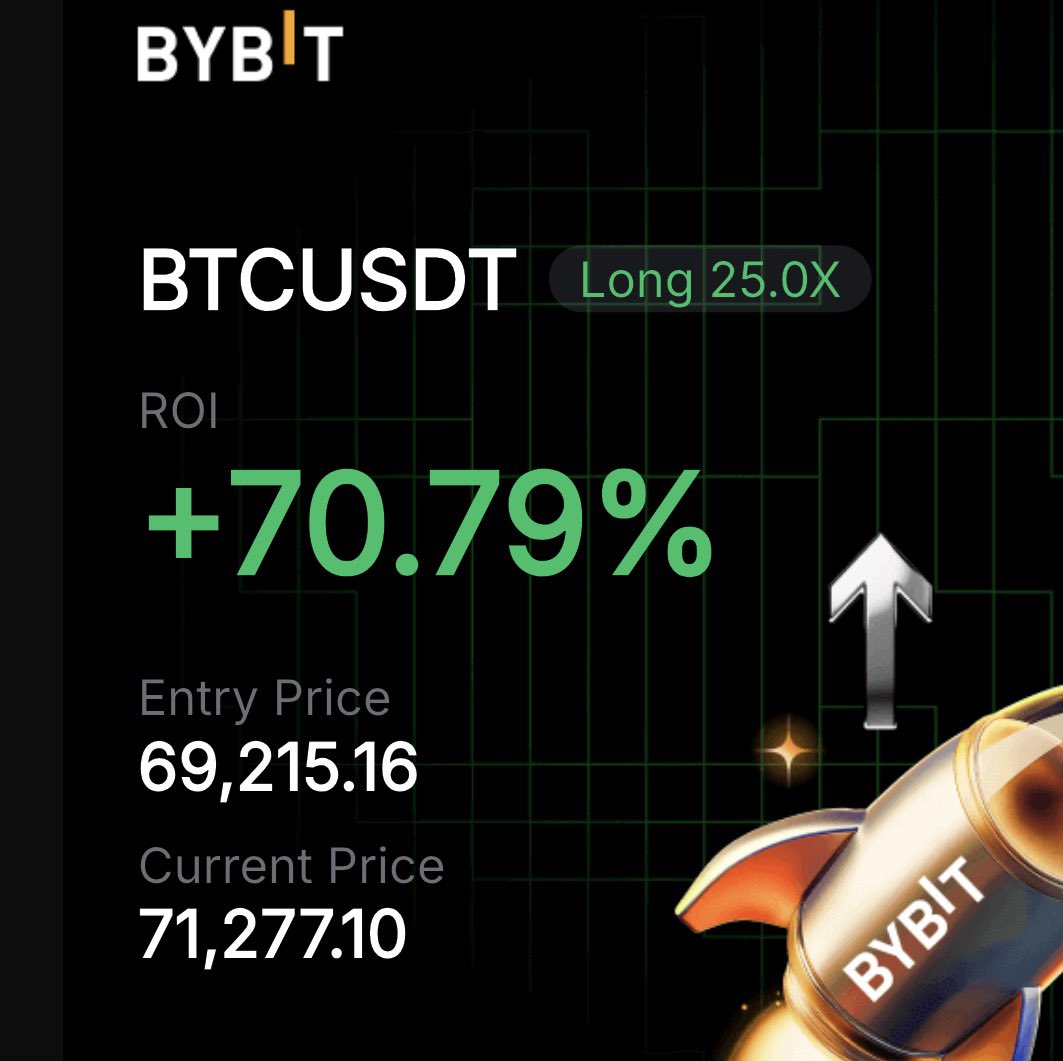
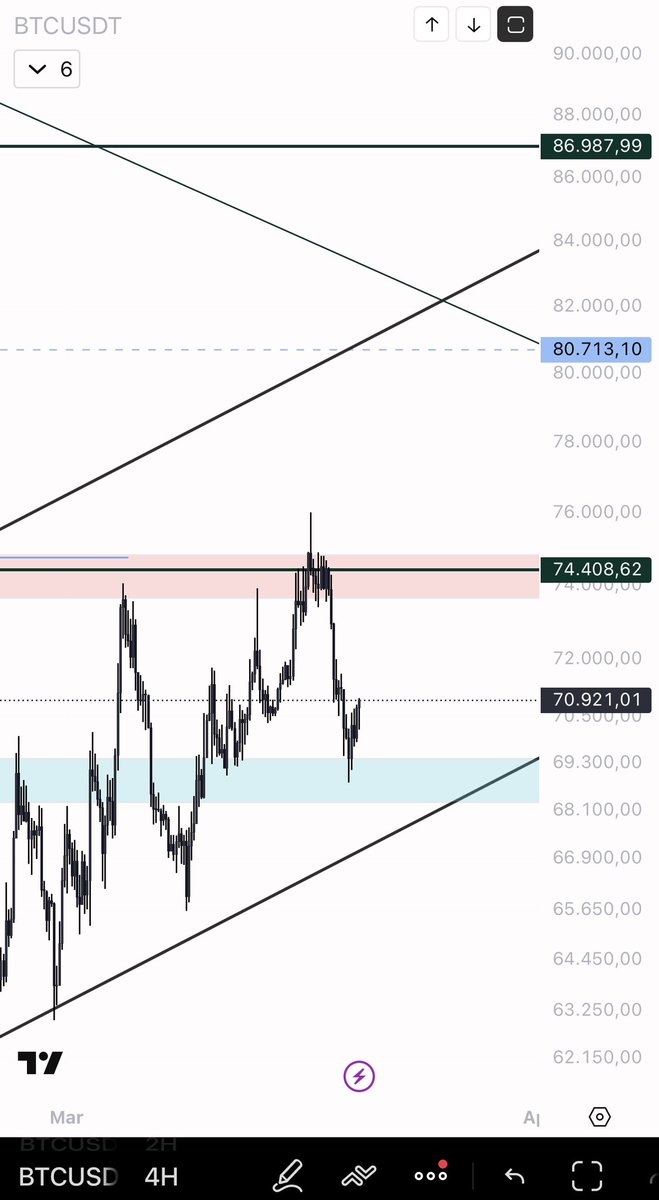
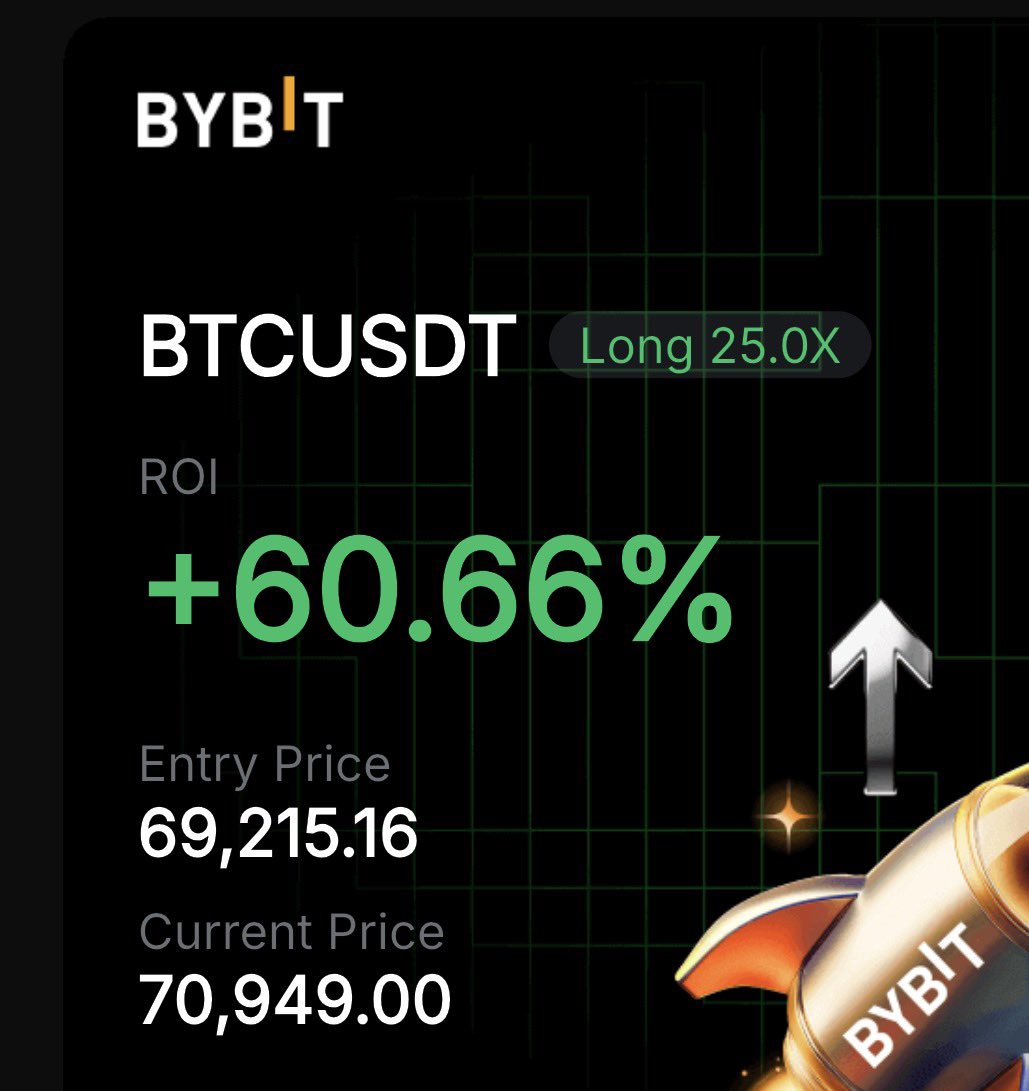
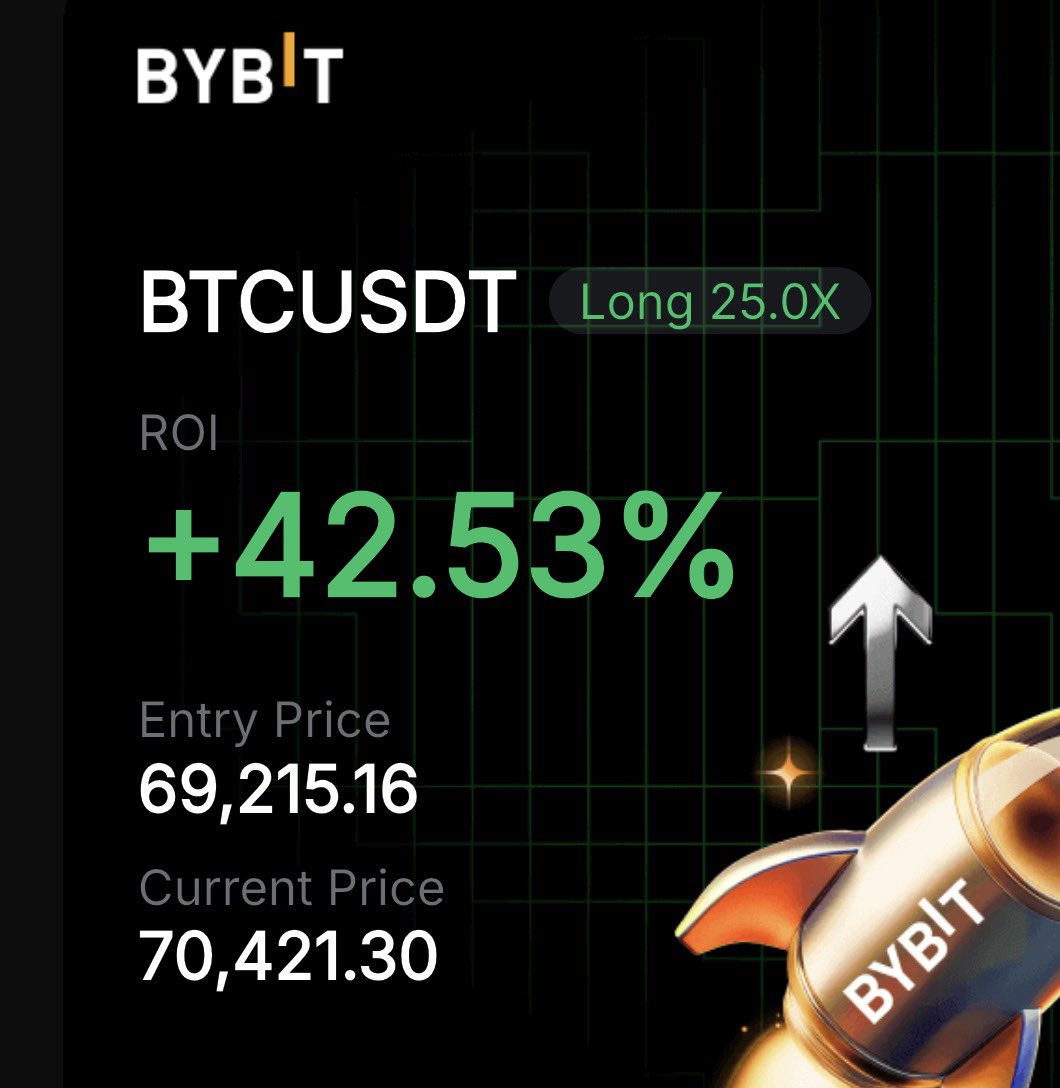
The long position I advised you to open in the blue zone has done exactly what it was supposed to do $BTC
No updates; stop loss moved to be ,partial tp …..well done

I’ll say it again for the hundred-and-twentieth time…
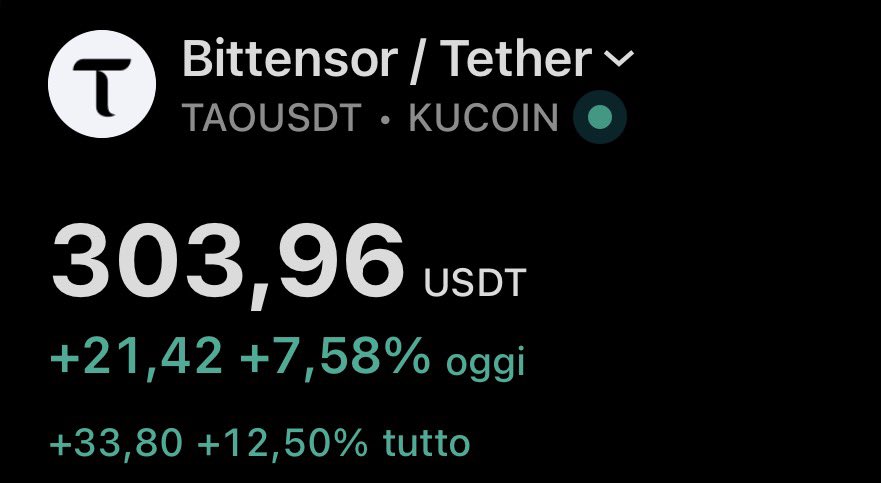
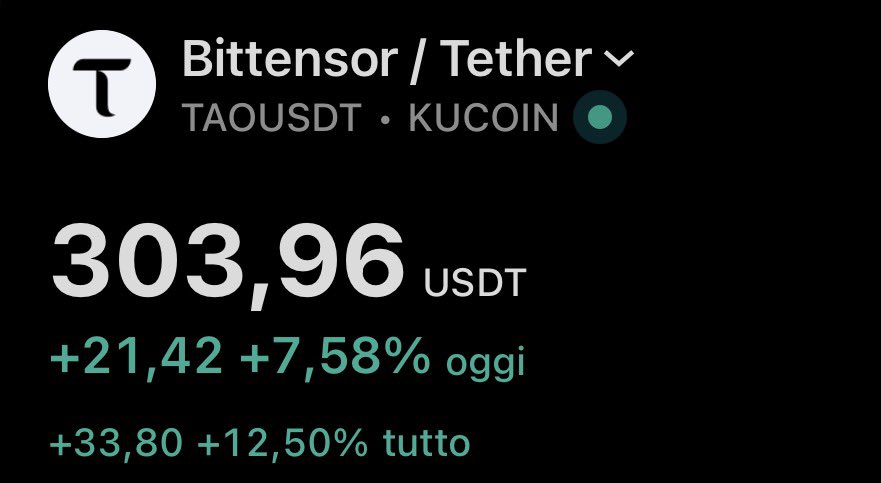
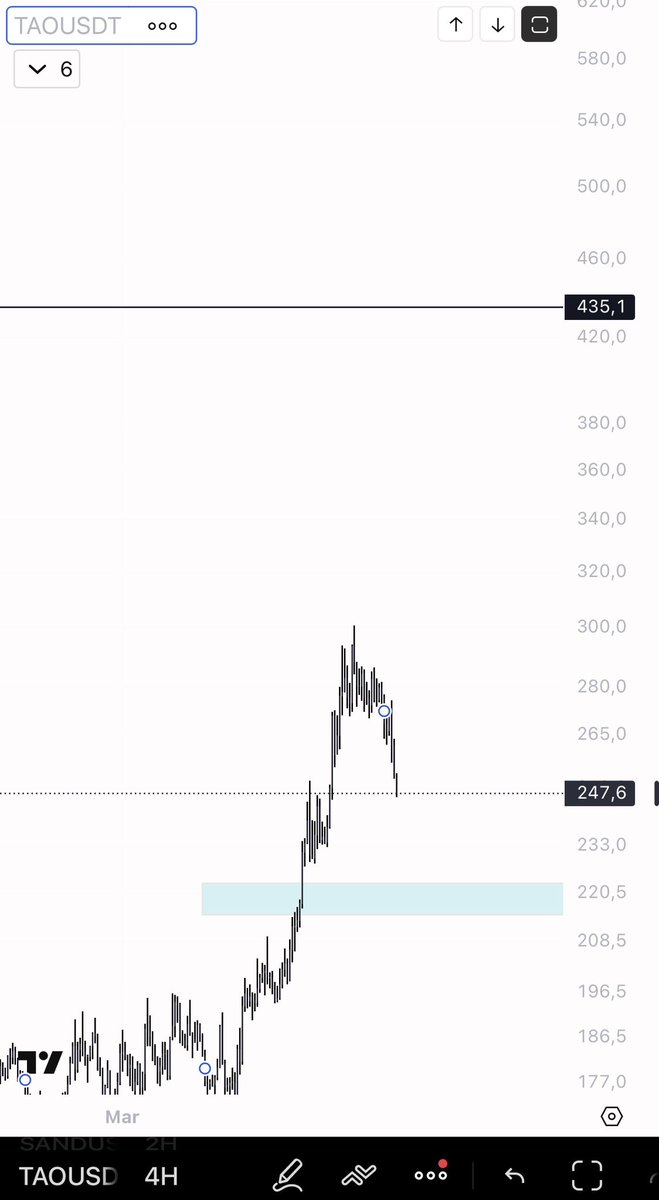
$TAO isn’t just any old trade for me: it’s a long-term position.
Yes, I do trade it as well.
But at the same time, I’ve been building up my position day by day, for weeks months with a clear plan: to sell at a much higher price.
I’m not interested in short-term noise.
I’m not interested in market sentiment.
I have a plan.
And above all:
if this investment were to go to zero, nothing would change.
It simply means I’ve only risked what I could afford to lose.
That’s the difference between those who gamble… and those who truly invest.
Stop flat $BTC
Suffering losses in this line of work isn’t a mistake; it’s part of the game. It’s inevitable.
The real difference isn’t made by those who avoid losses, but by those who know how to manage them without letting them destroy them.
Being profitable doesn’t mean always being right, but: losing little when you’re wrong and maximising gains when you’re right.
The real advantage lies entirely in risk management:
protecting capital, controlling exposure and maintaining discipline even under pressure.
Because ultimately it’s simple:
those who can’t manage risk are out of the game.
Those who master it, over time, beat most of the market. Few people understand it! Only those who manage to stick it out for years and years… at least 6 to 10 years on experience
I'll tell you how things really stand 👌🏻


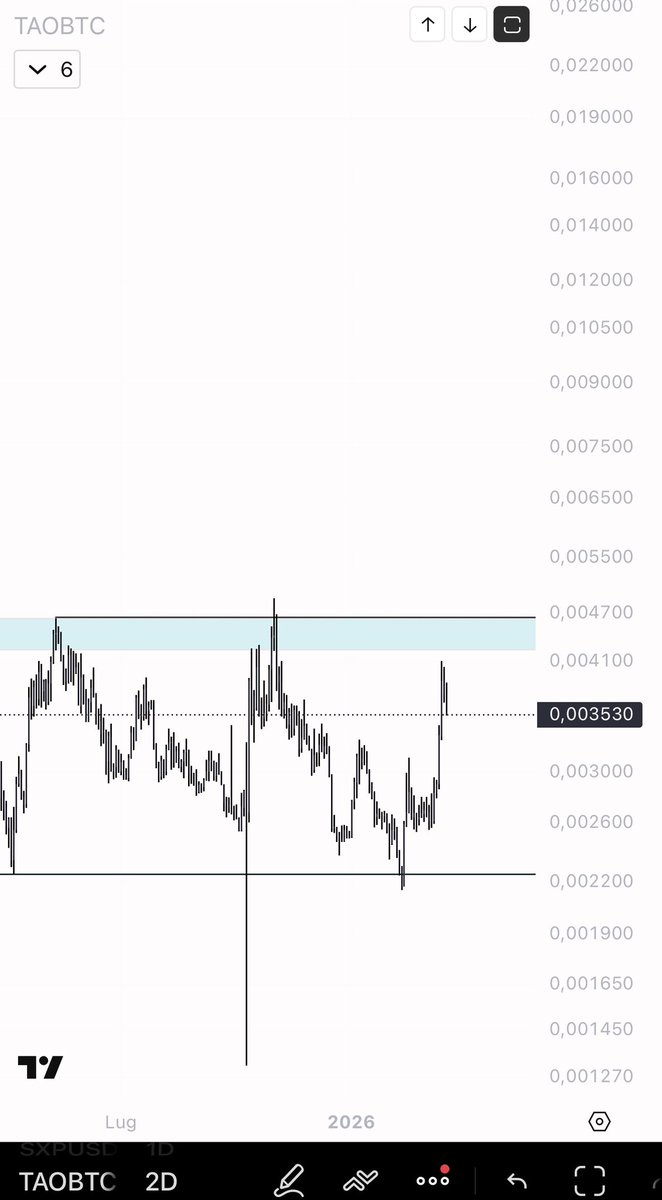

$BTC Taking profits on altcoins right at the top is what made our trade pay off
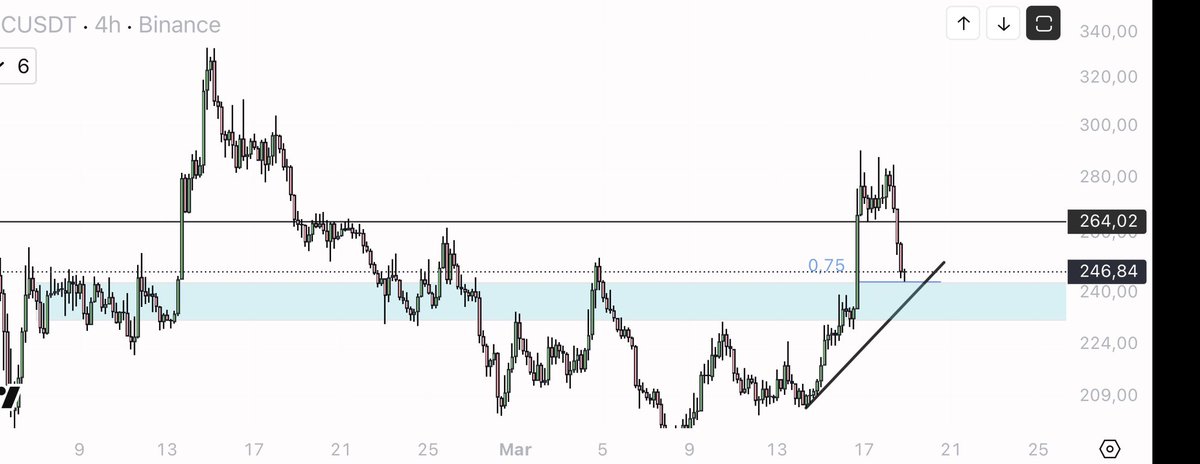
The 0.75 level acted as a perfect resistance level
The strategy remains the same
Many people make a huge mistake: they think that closing lots of positions at breakeven means ‘having achieved nothing’. In reality, it’s the opposite.
Closing 10 trades at breakeven means you’ve protected your capital.
And in trading, survival is the first form of profit.
The point isn’t to win all the time. The point is not to lose when the market isn’t giving you an edge… and to push hard only when you really have one.
The real key is this:
When the market is uncertain 👉🏻defend (break-even, tight stops)
When you have an edge 👉🏻attack (let profits run)
Most traders do the opposite: they lose a lot when they’re wrong… and make little when they’re right
A solid trader, on the other hand:loses nothing or almost nothing when the situation is unclear.
makes a lot when they read the market movement correctly.
If you internalise this concept, you completely change the game.
The top priority isn’t to make money. It’s not to lose.
Because if you don’t lose, a single correct move is enough to make all the difference.
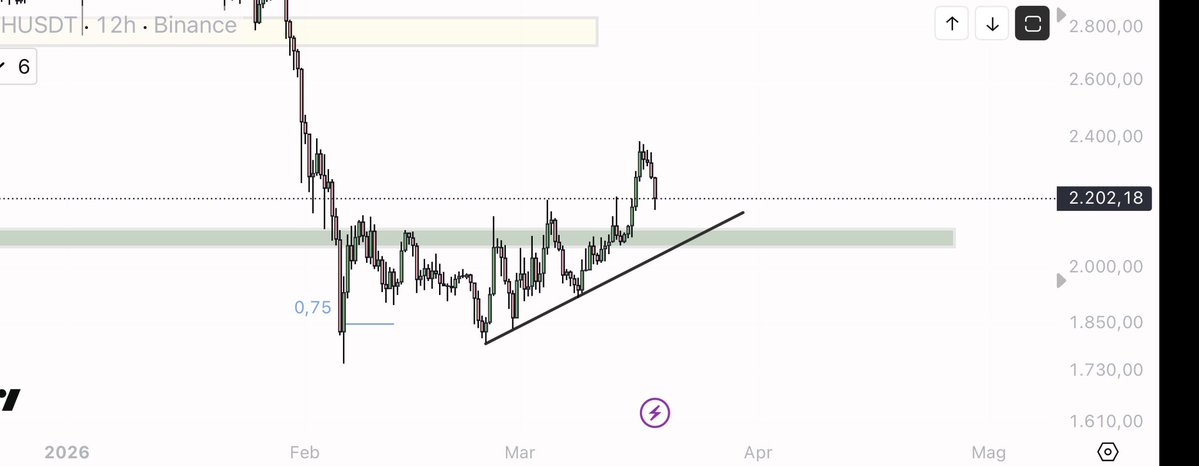
$ETH
In the last few hours, the market has presented a fairly clear opportunity: those who had taken positions at the lows were able to take profits easily and cleanly on altcoins.
Now, however, we are entering a decisive phase.
The structure is very straightforward:
As long as we hold the green box on the daily timeframe, the medium-term uptrend remains intact and can continue without issue.
Conversely, a decisive break below the 2,000 level would completely change the picture.
In that case, the market would become extremely attractive for aggressive short positions, with the potential for a significant downward move.
In summary:
holding = continuation of the long trend
break = significant short opportunity