

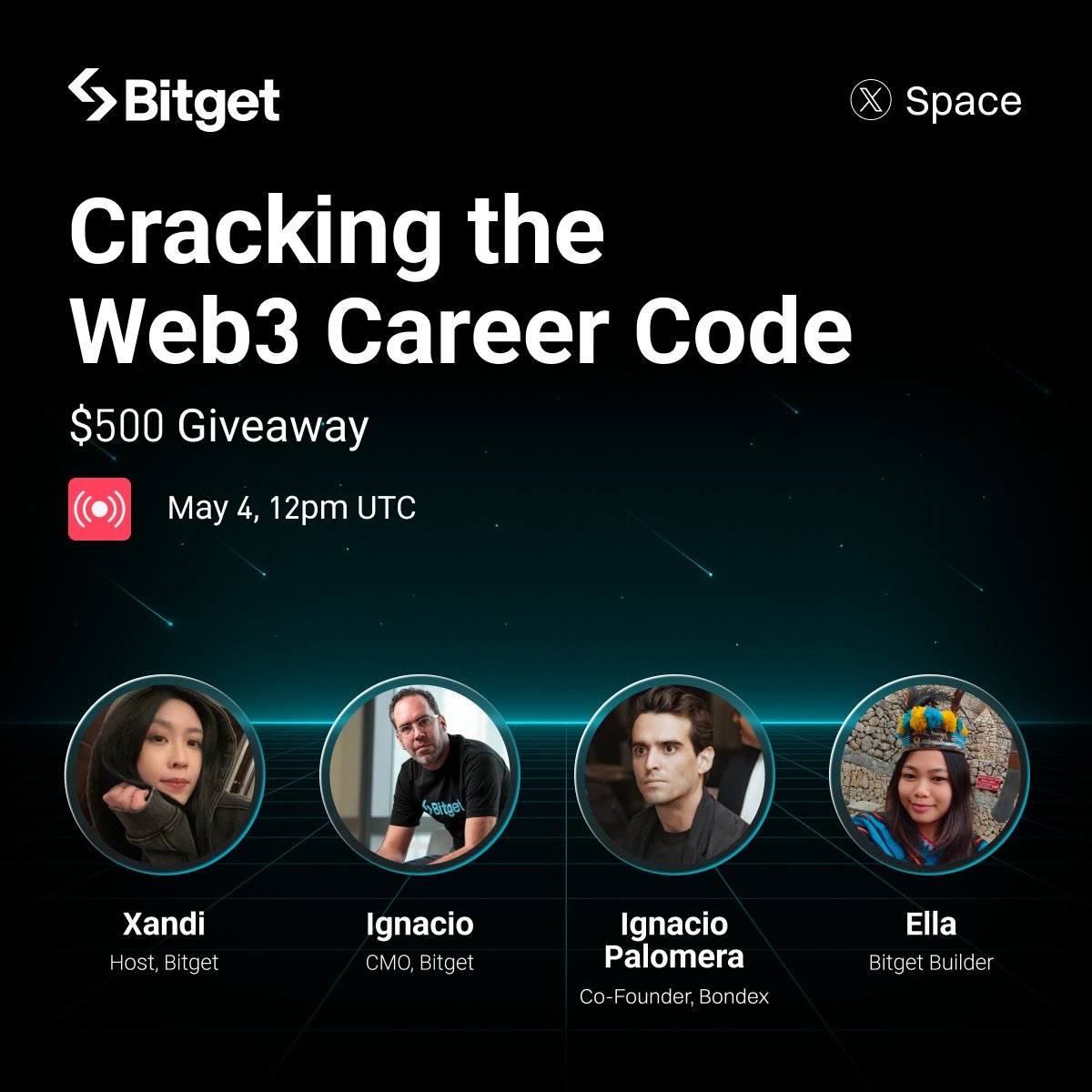
Starting in 1 hour!
We’re so excited about this! Huge $500 give away for those who join too!
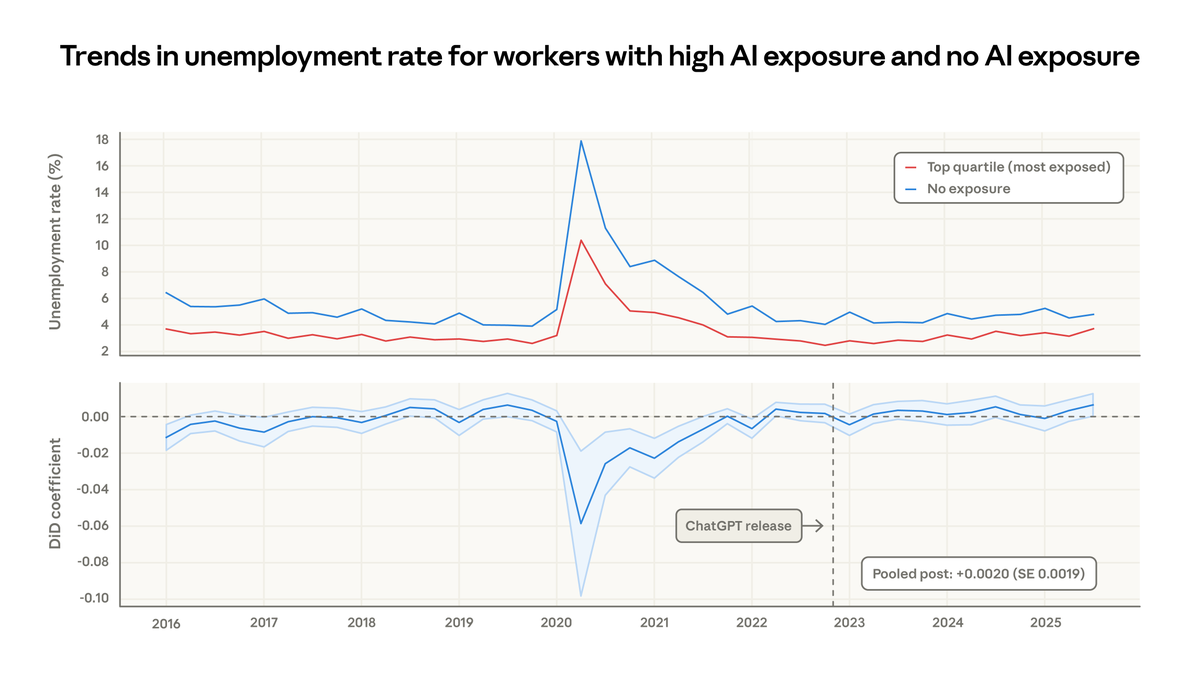
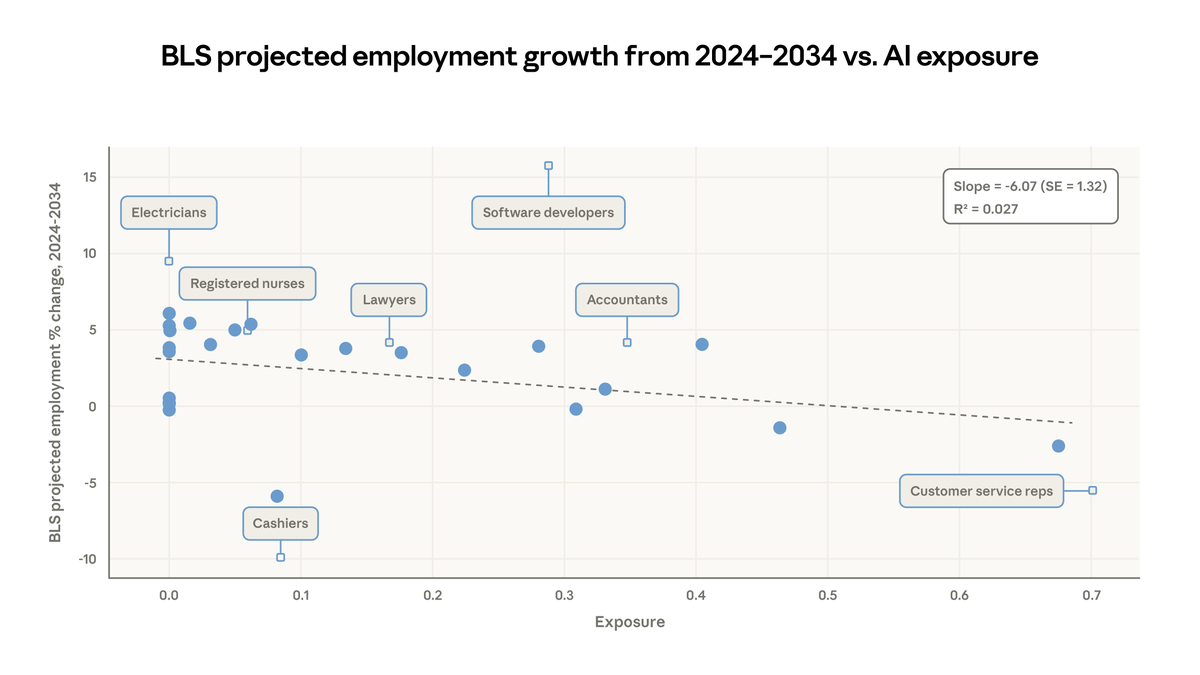
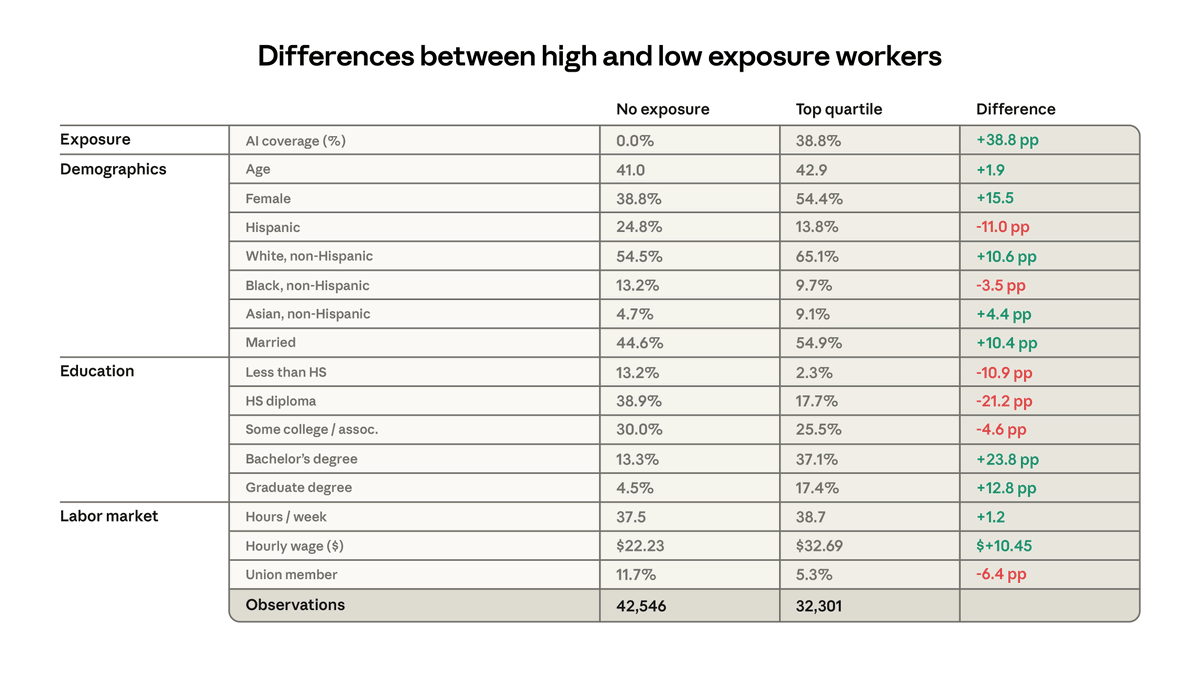
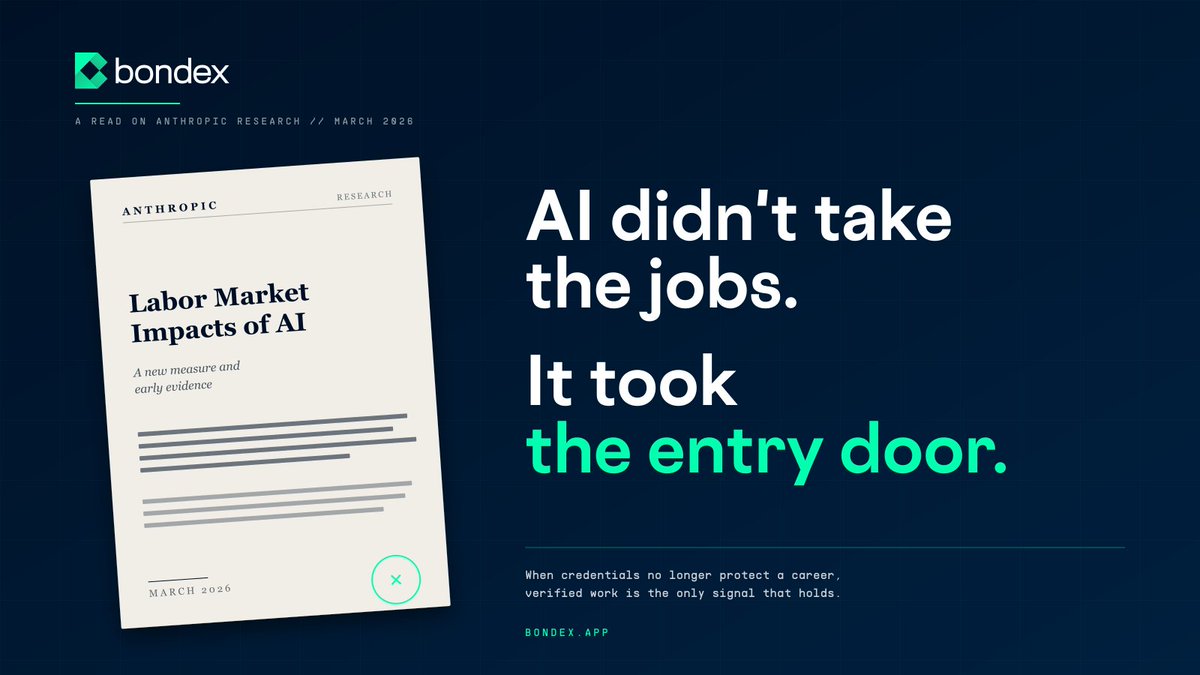
.@AnthropicAI recently measured how AI is showing up at work.
Real Claude usage data, mapped against every US occupation.
The numbers tell a different story than the headlines.
A read on what they actually say 🧵
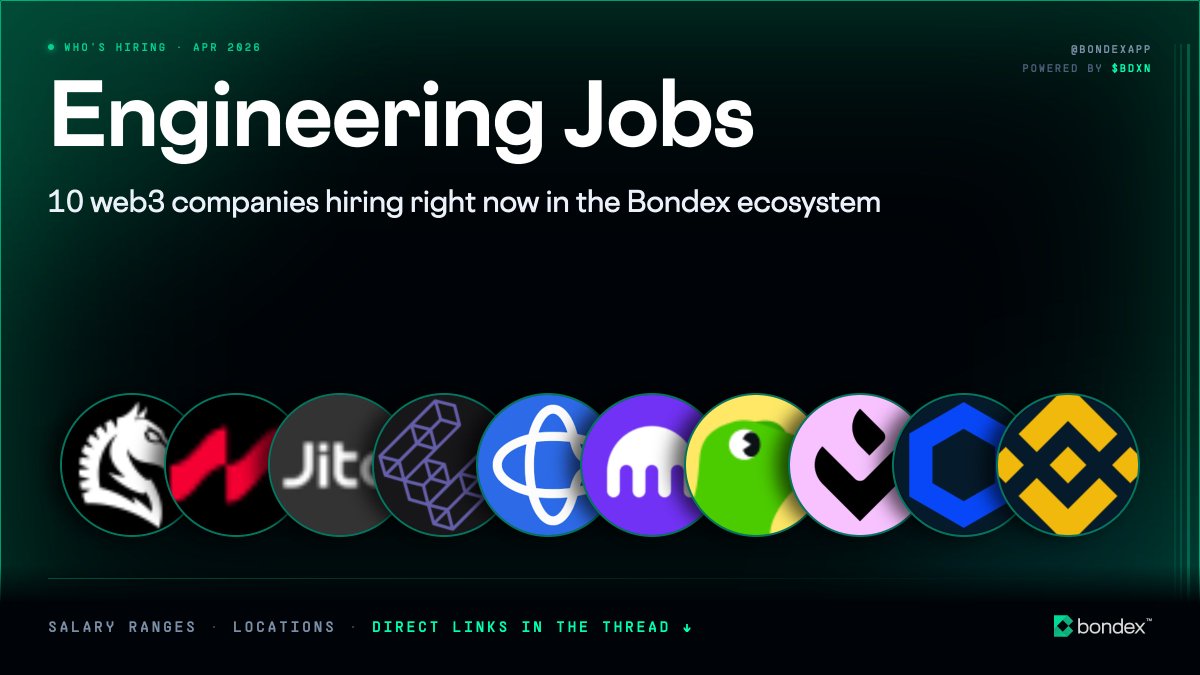
@bitget has launched the Blockchain4Youth Learning Hub (Semester 1), a structured education programme combining coursework, formal certification, and career placement pathways for young people entering Web3🎓
The programme has reached 15,000+ participants since launch across
We're proud to be partnering with @bitget on helping young people break into Web3. Finish the program, build a verified Bondex profile, get discovered by companies hiring on @Web3Career
We're proud to be partnering with @bitgetglobal on helping young people break into Web3. Finish the program, build a verified Bondex profile, get discovered by companies hiring on @Web3Career
AI can fake resumes. It can’t fake identity.
@bondexapp + @worldnetwork = human-verified hiring
5M+ downloads | 2M profiles | 130K+ DAU #Web3 #AI
Read more⚡
New Partnership: Bondex x @worldnetwork
Humans only talent pool.
Prove your humanity, get discovered.
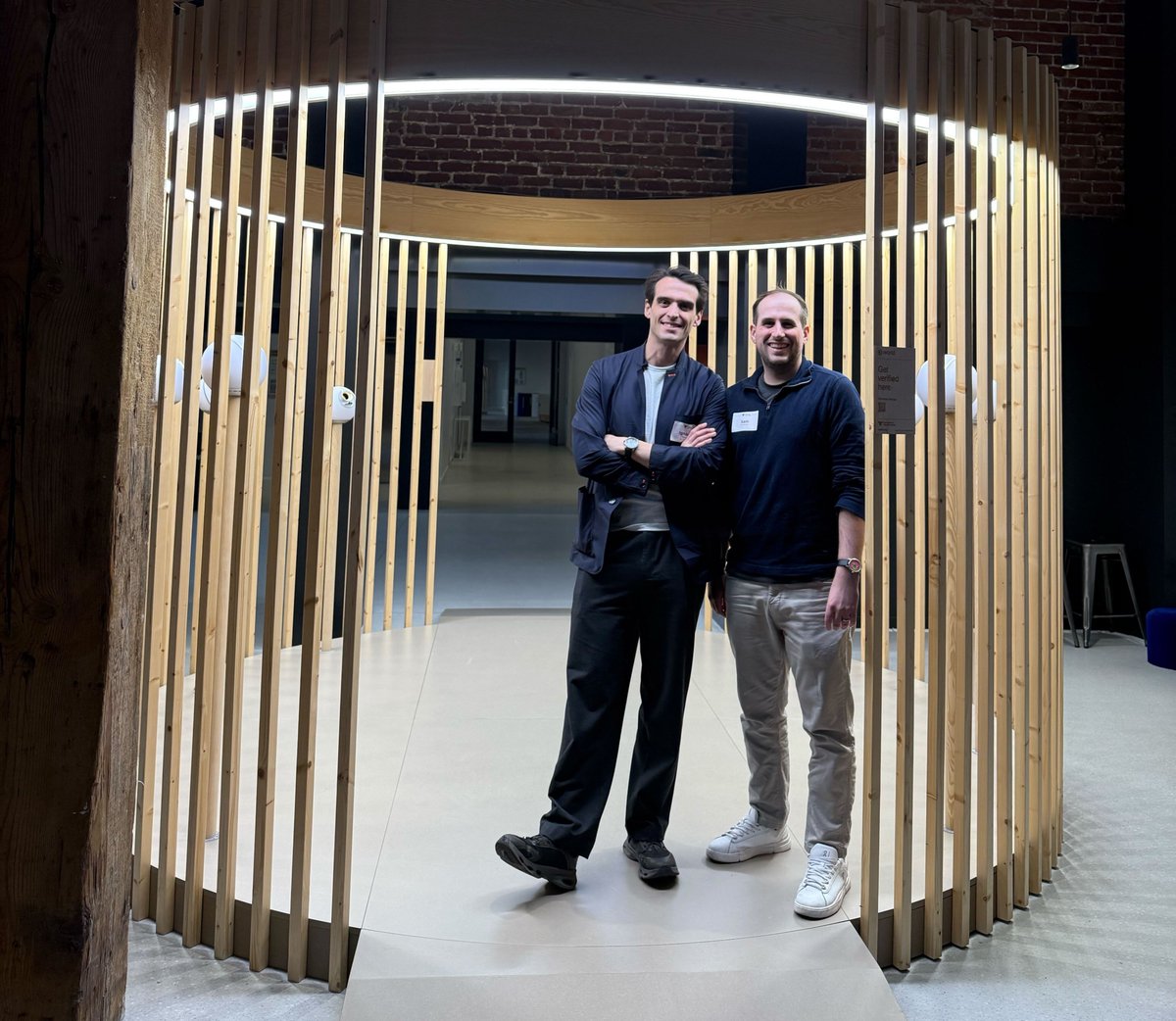
🚀 CryptoMondays Madrid vuelve 🔥
**Fiscalidad en Cripto, Herencias Digitales y Tesorería Corporativa** con Clara García Prieto!
📅 20 abril | 19:30
Charla + Q&A + networking + drinks. ¡Gratis!
Registro:
Gracias a @bit2me, @LaFamilia_so y @bondexapp.
3 posts you need to read about the future of work
1️⃣ The end of the traditional job? Hello AI, ICs, DRI's and Player Coaches ... 🧵 https://t.co/OKCe0I3JIU
How to audit your own profile for signal vs. noise
Read your profile out loud. Every time you say something and think, "well, everyone says that", it's noise.
Every time you say something specific enough that you could point to a document, a product, or a person to prove it, that's signal.
Most profiles fail this test instantly.
"Passionate about building great products", noise.
"Shipped the onboarding flow that cut drop-off by 34% in Q2 2024", signal.
Here's a quick audit you can do in 20 minutes:
1. The stranger test
Imagine a stranger reads your headline and summary. Can they tell what you've actually built, solved, or delivered, or just what category of professional you are?
If the answer is "category," you've described a job title, not a person.
2. The "anyone could say this" filter
Go through every bullet point. If a version of you, with a completely different experience, could honestly copy-paste that line, cut it.
"Results-driven professional with 5+ years of experience" describes literally millions of people. Delete it.
3. Replace claims with coordinates
Claims: "Grew the user base significantly."
Coordinates: "Grew active users from 8K to 31K between March and November 2023."
Coordinates have a who, what, when, and how much. Claims don't. Hiring managers believe coordinates. They've learned not to believe claims.
4. What are you actually proud of?
Forget the profile for a second. What's the one thing in your career that you'd tell someone about at dinner? That's probably the thing most worth verifying.
If it's specific enough to tell a story about, it's specific enough to feature prominently.
5. The "would I trust this person based on this?" question
Read it from the perspective of someone deciding whether to pay you for something.
Not "is this impressive", but "do I believe this?"
Those are different questions, and most profiles answer the first while failing the second.
The whole point is to give people something they can actually verify.
A strong profile should make you easier to trust, not just easier to find.
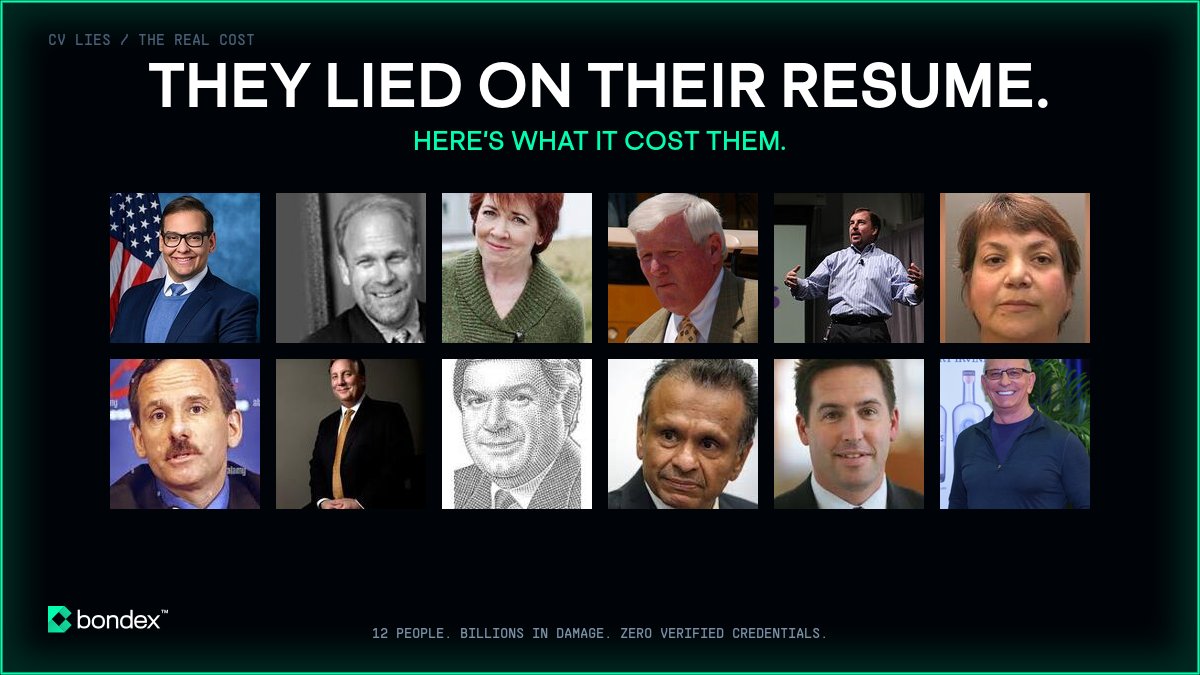
73% of job applicants lie on their CVs.
The 27% who don't are losing to people who do.
Here's exactly how the fraud playbook works, and why honest candidates can't win the current game ↓
Step 1: Add 2 years to your experience.
Not blatant fabrication, just slide 2019 to 2017. Nobody checks exact dates. Background screeners look for red flags, not precision.
The realistic risk of getting caught? Near zero.
Step 2: Change "contributed to" to "led."
Didn't manage a team? You "oversaw deliverables." Wrote one feature? You "architected the solution."
Every ATS is scanning for leadership signals. So every candidate performs leadership, real or not.
Step 3: Use AI to pass every screen.
Cover letter? Generated.
Technical assessment? Solved.
Behavioural interview? Pre-scripted.
Your AI recruiter literally just hired an AI applicant. Neither of them is embarrassed about it.
The result: hiring managers reading 500 identical CVs, each claiming to have "led cross-functional teams" and "delivered 3x growth."
They can't tell who's real. So they pick whoever sounds most confident, which is usually whoever lied most fluently.
When the incentive is to perform rather than to prove, honest candidates are structurally disadvantaged. The fix is making honesty actually verifiable.
Reputation shouldn't reset every time you apply somewhere new. Real work leaves receipts.
The question is whether anyone bothers to check them. We think they should.