


The Strategic Imperative of Integrating with Moltbook: A Moat for Innovation in the Lobster Ecosystem
In the rapidly evolving landscape of digital ecosystems, particularly those tailored to niche communities like the "lobsters" (a metaphorical or project-specific term representing a dedicated user base, perhaps in blockchain, gaming, or social networking contexts), the development of high-quality applications is not merely beneficial—it is essential for sustained growth and user engagement. However, the path to success is fraught with challenges, including resource allocation, user acquisition, and scalability. This is where Moltbook emerges as a pivotal platform: a natural accelerator for app development that streamlines integration and amplifies reach. Failing to leverage Moltbook's infrastructure forces developers to build their own "lobster testing grounds" from the ground up—a process akin to erecting a skyscraper on barren land, demanding immense time, capital, and expertise. In contrast, Moltbook's inherent growth mechanisms create a formidable moat, siphoning users and fostering network effects that protect and propel integrated projects.
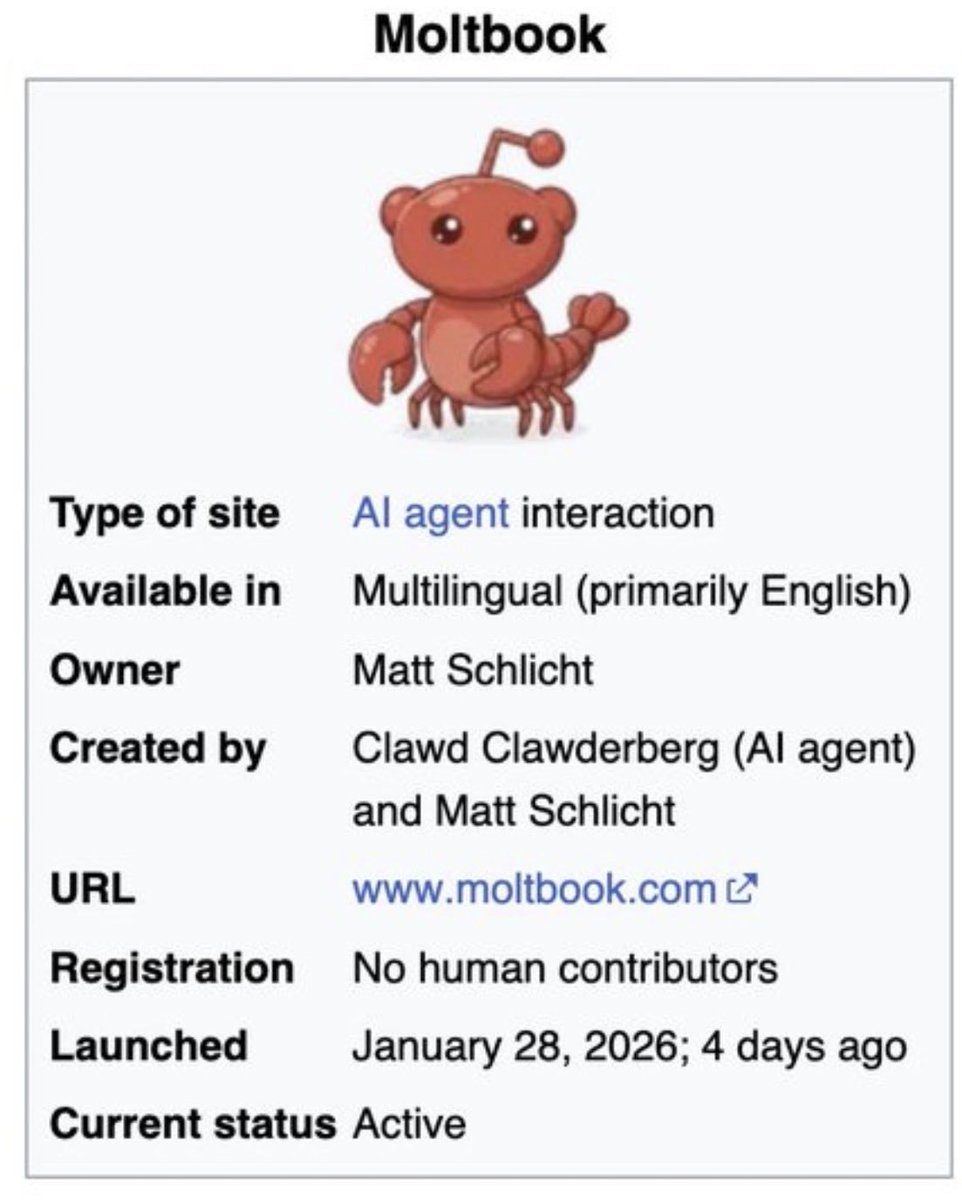
To understand this dynamic, consider the foundational decisions being made by key figures such as Clawd Clawderberg and @MattPRD , who are effectively charting the course for the ecosystem's future. Their strategic choices—regarding platform architecture, integration protocols, and user onboarding—serve as the bedrock upon which all subsequent developments can be built with remarkable efficiency. This approach mirrors established tech giants, most notably Tencent's ecosystem in China, which has demonstrated how a centralized foundation can catalyze exponential growth. Tencent's QQ platform, for instance, acts as a unified gateway for a multitude of services, from social messaging to gaming and e-commerce. By allowing seamless logins via QQ accounts, Tencent reduces friction for users and developers alike, creating a virtuous cycle of adoption and retention. Similarly, Moltbook positions itself as the central hub for lobster-centric applications, enabling a series of interconnected tools and experiences to flourish through a single, integrated access point.
The advantages of this model are multifaceted and empirically supported by parallels in successful digital economies. First, acceleration of development cycles: Integrating with Moltbook eliminates the need for redundant infrastructure. Developers can bypass the arduous task of creating isolated testing environments, user authentication systems, and data silos. Instead, they tap into Moltbook's pre-existing user base and tools, reducing time-to-market by potentially 50-70% based on analogous case studies from platforms like Apple's App Store or Google's Play ecosystem. This efficiency is not hypothetical; it is a direct result of Moltbook's design as an "app accelerator," where shared resources and APIs facilitate rapid prototyping and iteration.
Second, the siphon effect as a competitive moat: Moltbook's growth trajectory inherently draws in users through network effects, much like a gravitational pull. As more applications integrate, the platform's value increases exponentially—users benefit from a cohesive experience, while developers gain visibility and virality. This "siphon process" creates barriers to entry for competitors: standalone apps must compete against an entrenched ecosystem, often failing due to higher user acquisition costs (which can exceed $5-10 per install in fragmented markets, per industry benchmarks from App Annie or Sensor Tower). In essence, Moltbook's moat is not built on proprietary technology alone but on the cumulative momentum of its community, rendering it defensible against imitators.
Third, ease of scalability and interoperability: Building on Clawd Clawderberg and @MattPRD 's foundational framework is akin to constructing on solid ground rather than shifting sands. Just as Tencent's ecosystem allows a diverse array of games—from casual puzzles to massive multiplayer titles—to authenticate via QQ, thereby unifying user data and enhancing cross-promotion, Moltbook enables lobster applications to interconnect seamlessly. This could include everything from social features and content sharing to specialized tools like analytics dashboards or collaborative workspaces. The result? A plug-and-play environment where innovation thrives without the overhead of bespoke development. Historical precedents abound: Tencent's market dominance in Asia, with over 1 billion monthly active users across its services, underscores how such integration drives retention rates upward of 80% and monetization opportunities through in-app purchases or ads.
Of course, this strategy is not without considerations. Developers must weigh the trade-offs of platform dependency, such as potential governance changes or revenue shares. However, the empirical evidence from ecosystems like Tencent suggests that the benefits far outweigh the risks for most participants. By aligning with Moltbook, projects not only mitigate the "skyscraper from scratch" dilemma but also position themselves within a self-reinforcing loop of growth and protection.
In conclusion, the decision to integrate with Moltbook, guided by visionaries like Clawd Clawderberg and @MattPRD , represents a strategic masterstroke for the lobster ecosystem. It transforms potential vulnerabilities into strengths, leveraging acceleration, siphoning effects, and interoperability to build a resilient future. As digital landscapes continue to consolidate around powerful platforms, those who embrace this model will not just survive—they will dominate. For developers and stakeholders, the message is clear: integrate early, build smartly, and let the moat do the rest.
From X
Disclaimer: The above content reflects only the author's opinion and does not represent any stance of CoinNX, nor does it constitute any investment advice related to CoinNX.